Delhi Metro Station Advertising

Metro Station Advertising

Metro station advertising, expertly managed by agencies such as Metro Station Advertising Agency, provides unparalleled opportunities for brands to engage their target audiences amidst the hustle and bustle of urban environments. Strategically positioned throughout metro stations, these advertisements guarantee continuous exposure to millions of daily commuters. Here's why metro station advertising should be central to your marketing strategy.
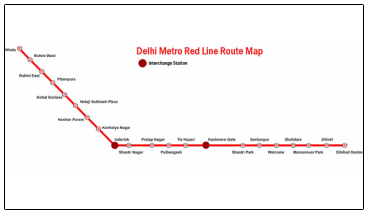
Delhi Metro Station Advertising Agency
Red Line Advertising Options
  • Shahid Nagar Metro Station
  • Mansarovar Park Metro Station
  • Shahdara Metro Station
  • Shastri Park Metro Station
  • Netaji Subash Place Metro Station
Know More
Delhi Metro Station Advertisement
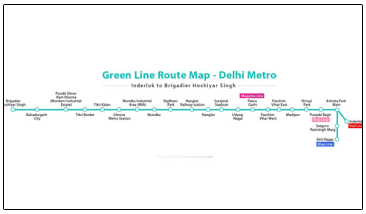
Green Line Advertising Options
  • Inderlok Metro Station
  • Udyog Nagar Metro Station
  • Bahadurgarh City
  • Rajdhani Park
  • Ashok Park Main
Know More
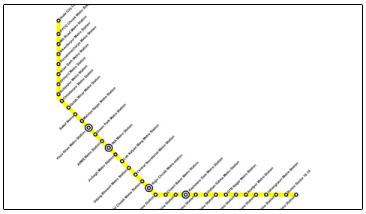
Yellow Line Advertising Options
  • Green Park Metro Station
  • Rajiv Chowk Metro Station
  • Qutab Minar
  • Huda City Center Metro Station
  • New Delhi Metro Station
Know More
Blue Line Advertising Options
  • Dwarka
  • Rajouri Garden
  • Karol Bagh
  • Pragati Maidan
  • Noida City Center
Know More
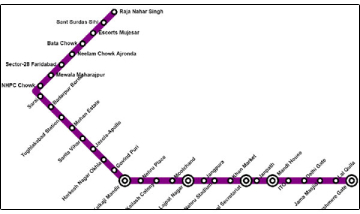
Violet Line Advertising Options
  • Ballabhgarh
  • Lal Qila
  • Delhi Gate
  • Jama Masjid
  • Central Secretariat
Know More
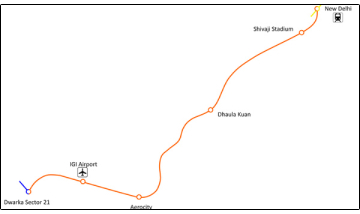
Airport Line Advertising Options
  • Dwarka Sector – 21
  • IGI Airport
  • Delhi Aerocity
  • Shivaji Stadium
  • New Delhi metro
Know More
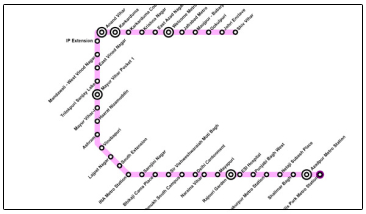
Pink Line Advertising Options
  • Majlis Park
  • Babarpur
  • Delhi Cantonment
  • Lajpat Nagar
  • Ashram metro
Know More
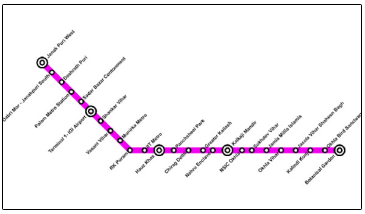
Magenta Line Advertising Options
  • Botanical Garden
  • Janakpuri West
  • Terminal 1 IGI Airport
  • IIT Delhi
  • Okhla Bird Sanctuary
Know More
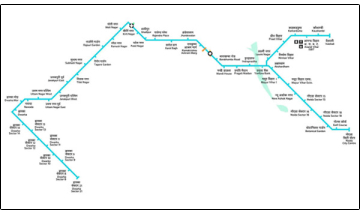
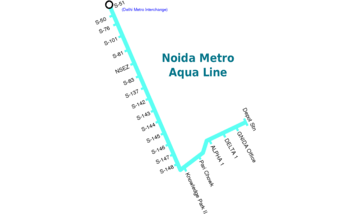
Aqua Line Advertising Options
  • Sector 51
  • Sector 51
  • Noida Sector 83
  • Knowledge Park II
  • Depot Metro stations
Know More

Cost-Effective Visibility: Despite its impactful reach, metro station advertising offers a cost-effective solution compared to traditional mediums. This makes it an ideal choice for brands seeking to maximize exposure while optimizing their marketing budget allocation.

Strategic Placements: From ticketing areas to platform entrances and escalators, advertisements in metro stations are strategically positioned to seize commuters' attention during pivotal moments of their journey. These high-traffic locations ensure maximum visibility and engagement.

Diverse Advertising Formats: Metro station advertising boasts a diverse range of formats, including digital screens, static posters, billboards, and interactive displays. This flexibility empowers brands to tailor their campaigns to align seamlessly with their brand identity and marketing objectives.

Transparent Pricing Models: Metro station advertising costs are transparent and structured, offering options to accommodate various budgets and campaign goals. Whether seeking short-term exposure or long-term brand visibility, our pricing plans are designed to meet your needs with clarity and predictability.

Precise Targeting: With the ability to target specific metro stations or entire networks, advertisers can effectively reach their desired demographics. Whether targeting urban professionals, students, or families, metro station advertising provides precise targeting options to ensure message resonance.

Measurable ROI: Leveraging advanced tracking and analytics tools, advertisers gain real-time insights into the performance of their metro station campaigns. From impressions and engagement metrics to conversion rates, these data-driven insights enable advertisers to optimize campaigns for maximum effectiveness.

Elevate Your Brand Presence with Metro Station Advertising

Metro station advertising offers a compelling opportunity for brands to elevate their presence and impact within urban landscapes. With its cost-effective visibility, strategic placements, diverse formats, precise targeting, transparent pricing, and measurable ROI, metro station advertising is an indispensable component of effective marketing strategies. Ready to unlock maximum brand exposure? Partner with us to harness the full potential of metro station advertising and make a lasting impression on commuters everywhere.

Frequently Asked Questions

Delhi Metro station advertising refers to placing brand promotions across various touchpoints inside metro stations such as entry gates, platforms, escalators, and concourse areas. These ads are strategically positioned to capture commuter attention during high dwell-time moments like waiting, ticketing, and transit movement, ensuring repeated exposure throughout the day.

Metro station advertising is highly effective because it targets a captive audience in high-traffic environments. With millions of commuters passing through stations daily, brands benefit from continuous visibility, repeated impressions, and strong recall compared to many traditional advertising formats.

Metro stations offer a wide range of advertising formats including backlit panels, digital screens, kiosks, pillar branding, escalator wraps, and wall panels. These formats allow brands to choose between static and dynamic displays depending on their campaign objectives and budget.

High-footfall stations such as Rajiv Chowk, New Delhi, Kashmere Gate, and Huda City Centre are considered premium locations due to heavy commuter traffic. Advertising at such stations ensures higher visibility and engagement compared to less crowded locations.

The cost of metro station advertising varies based on factors like station category, ad format, size of the display, campaign duration, and whether the media is lit or non-lit. Premium stations and high-visibility placements generally command higher pricing.

Pricing is influenced by several factors including daily footfall at the station, location within the station, size and format of the ad, campaign duration, and seasonality. High-traffic areas and premium formats typically cost more.

Yes, metro station advertising offers flexible options that cater to different budgets. Smaller businesses can opt for limited placements such as panels or kiosks, while larger brands can go for full station domination campaigns.

Station domination is a premium advertising format where a single brand takes over multiple advertising spaces within a metro station. This creates an immersive brand experience and ensures maximum visibility and recall among commuters.

Delhi Metro stations collectively see millions of daily commuters, providing advertisers with access to a massive and diverse audience base across demographics including professionals, students, and families.

Key benefits include high footfall, repeated exposure, strategic placement, strong brand recall, and the ability to target specific audiences based on station location and commuter profile.

Yes, advertisers can choose specific stations or lines based on their target audience such as business hubs, educational areas, or residential zones.

The most visible locations include entry/exit gates, ticketing areas, escalators, staircases, and platform waiting areas. These spots ensure maximum attention due to high commuter movement and dwell time.

For effective results, campaigns typically run for at least 1–3 months. Longer durations help build stronger brand recall due to repeated exposure among daily commuters.

Metro station advertising often delivers better engagement because it targets a captive audience in a controlled environment, unlike hoardings which rely on fleeting attention.

ROI is measured through metrics such as brand recall, footfall increase, lead generation, and engagement levels. Advanced analytics tools can also provide insights into campaign performance.

Industries such as real estate, education, healthcare, retail, FMCG, and e-commerce benefit significantly due to their need for mass urban visibility and frequent customer engagement.

Yes, digital screens are widely available in metro stations, allowing advertisers to run dynamic, high-impact campaigns with real-time content updates.

Absolutely. Advertisers can choose formats, locations, and durations based on their objectives—whether it’s brand awareness, product launch, or lead generation.

Advertising inside metro stations is typically managed by authorized agencies that coordinate with metro authorities for media planning, booking, and execution.

You can book metro station advertising through a specialized agency like Metro Spaces, which provides end-to-end support including planning, pricing, creative execution, and campaign management.

Get In Touch

Plan smarter Metro Advertising with expert support.

Contact Us